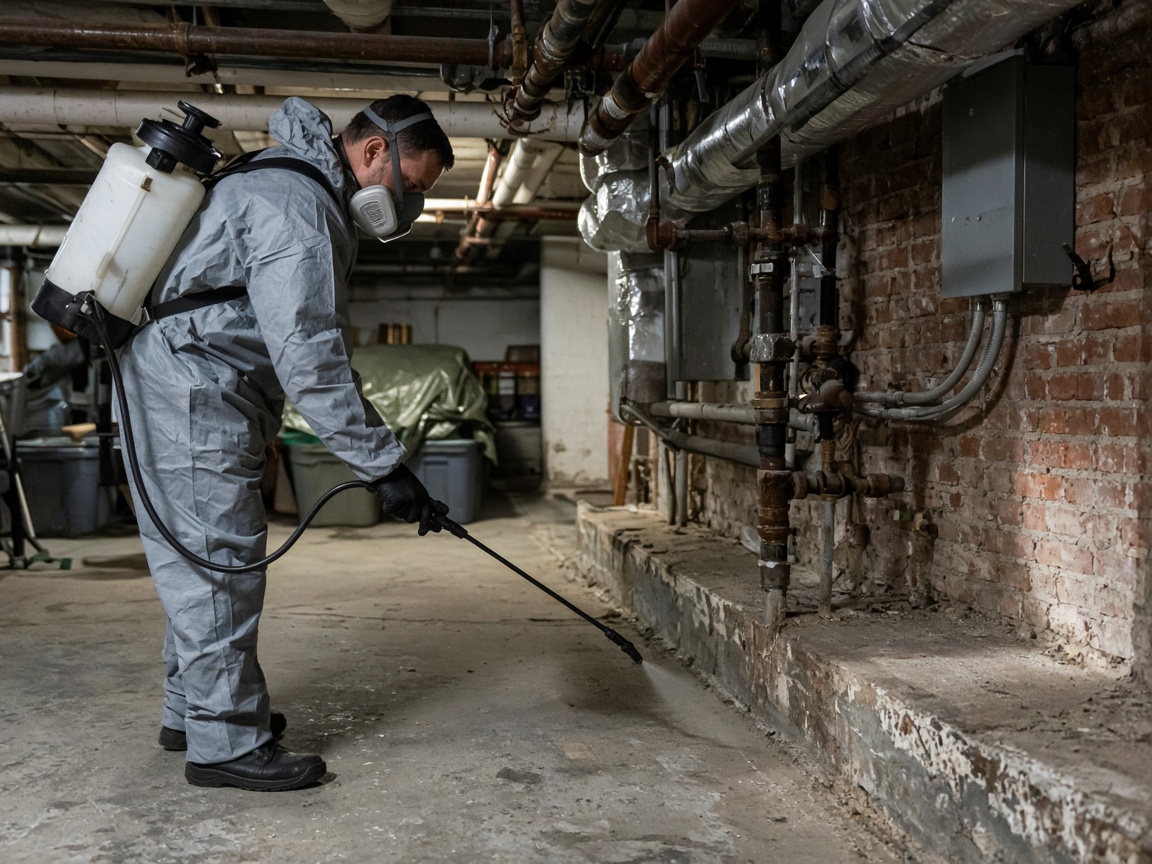
Manhattan basements in buildings constructed before 1940 often feature stone foundations and narrow crawl spaces that trap moisture from summer humidity and winter heating cycles. Fleas exploit these damp conditions and travel through mortar gaps or utility penetrations into neighboring units along Central Park West and the Upper West Side. Treatment requires low-odor residuals and insect growth regulators applied directly into voids rather than surface sprays alone.
Standard foggers miss the egg clusters deposited in carpet pads and under boiler room pipes common in these structures. Technicians use targeted dusts and liquid formulations labeled for indoor use, followed by vacuuming with HEPA filtration to remove debris that can shield pupae. Pet owners receive guidance on treating bedding and crates without risking residue on surfaces pets contact daily.
Shared walls between townhouses on streets like 72nd and 79th mean a single untreated unit can reintroduce fleas within days. Follow-up visits focus on monitoring with sticky traps placed near entry points and along baseboards to confirm the cycle is broken before closing the job.
Weather shifts in the Manhattan area, especially the transition from humid July into cooler September evenings, often trigger renewed activity as fleas seek indoor warmth. Scheduling the initial visit before these changes reduces the chance of rapid rebound in multi-unit buildings.
Technician insight
In Manhattan, the thing that catches most people out with Basement Flea Treatment is how easily fleas move through the shared stone foundations and mortar joints in pre-war buildings along Central Park West. Homeowners treat only their own unit and miss the neighboring source, so activity returns within a week.
Upper West Side Brownstone Basement
A resident reported fleas on lower-level flooring after adopting a dog. Inspection revealed activity along the shared party wall and under an old boiler. Treatment focused on dust application into foundation gaps and utility voids plus pet bedding guidance. Follow-up traps showed no further activity after ten days.
Basement Flea Treatment Services We Offer
✓Crack and Crevice Dusting
Applies fine insecticidal dust into foundation gaps and pipe chases typical of Manhattan brownstone basements to reach hidden flea stages.
✓Carpet Pad and Rug Treatment
Treats underlayment and area rugs where eggs accumulate in older apartment and townhouse basements without damaging flooring.
✓Pet Bedding and Crate Disinfection
Cleans and treats pet sleeping areas with pet-safe products to eliminate flea sources that residents bring into basement spaces.
✓Boiler Room and Utility Void Application
Targets warm, moist mechanical rooms common in pre-war buildings where fleas breed near heating equipment.
✓Follow-Up Trap Monitoring
Places and checks monitoring traps over two weeks to verify elimination before declaring the basement clear.
How it works
- 1
Site Inspection
Technician examines basement layout, identifies moisture sources, and maps entry points through foundation and shared walls.
- 2
Targeted Application
Applies dusts, liquids, and growth regulators into cracks, voids, and carpeted areas while protecting pets and residents.
- 3
Sanitation Guidance
Provides instructions for vacuuming and laundering to remove eggs and larvae from accessible surfaces.
- 4
Monitoring And Callback
Returns within 10-14 days to check traps and retreat if activity persists in connected units.
Pricing
Pricing varies by basement size, infestation level, and whether multiple units in the building require access.